Zahir Sans Arabic Font - A Modern Naskh Arabic Typeface for Editorial & Apps
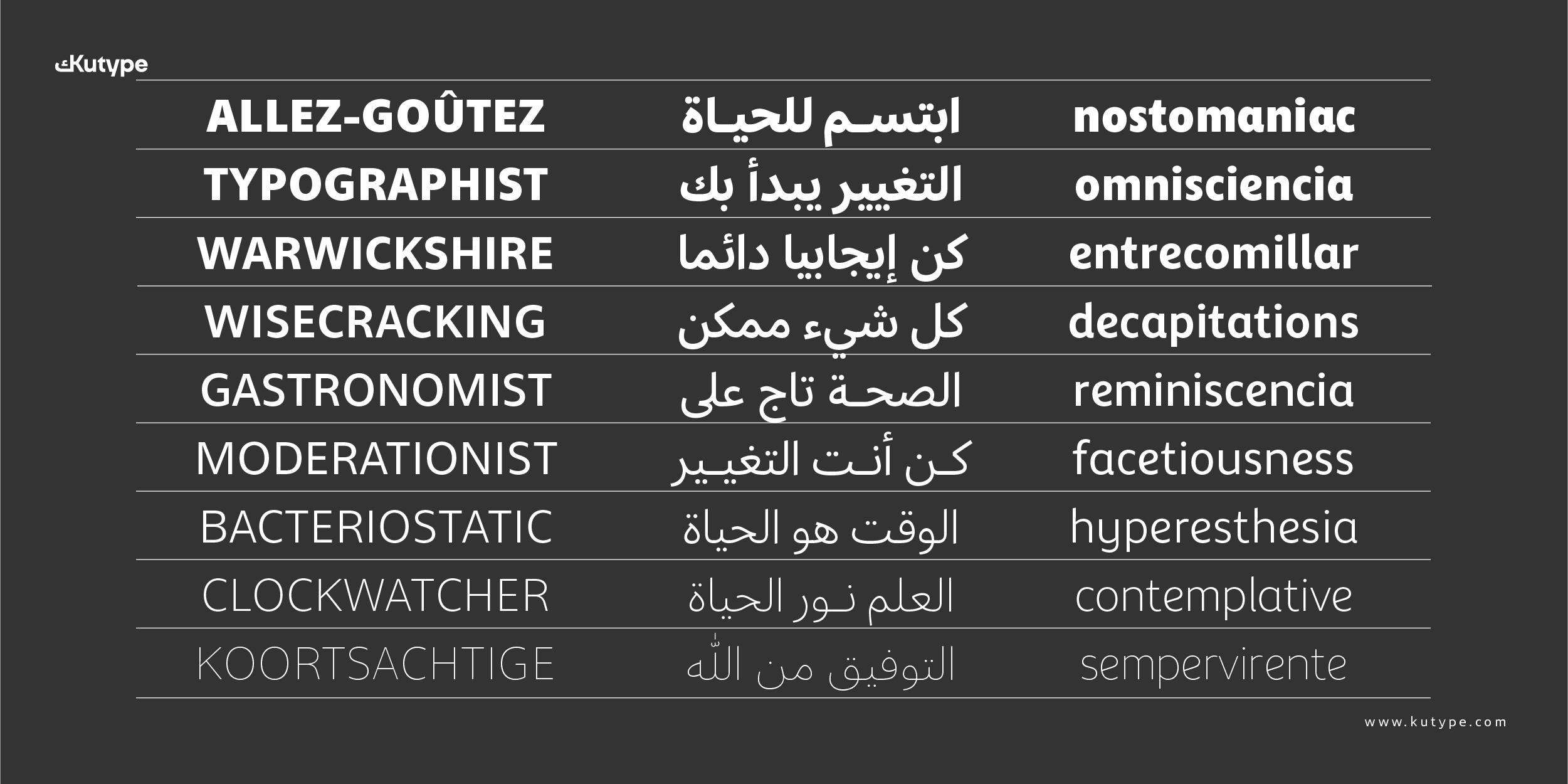
Arabic typography in digital interfaces has long faced a difficult tradeoff: classical scripts that carry cultural authority but struggle on screen, or simplified geometric forms that perform technically but feel disconnected from the language's heritage. Zahir Sans Arabic resolves that tension. A modern humanist Arabic typeface rooted in the Naskh tradition but refined for contemporary screen and editorial use, it brings the same clarity, warmth, and versatility as its Latin companion, forming a bilingual type system that holds together visually across languages, layouts, and media.
Design Inspiration & Naming
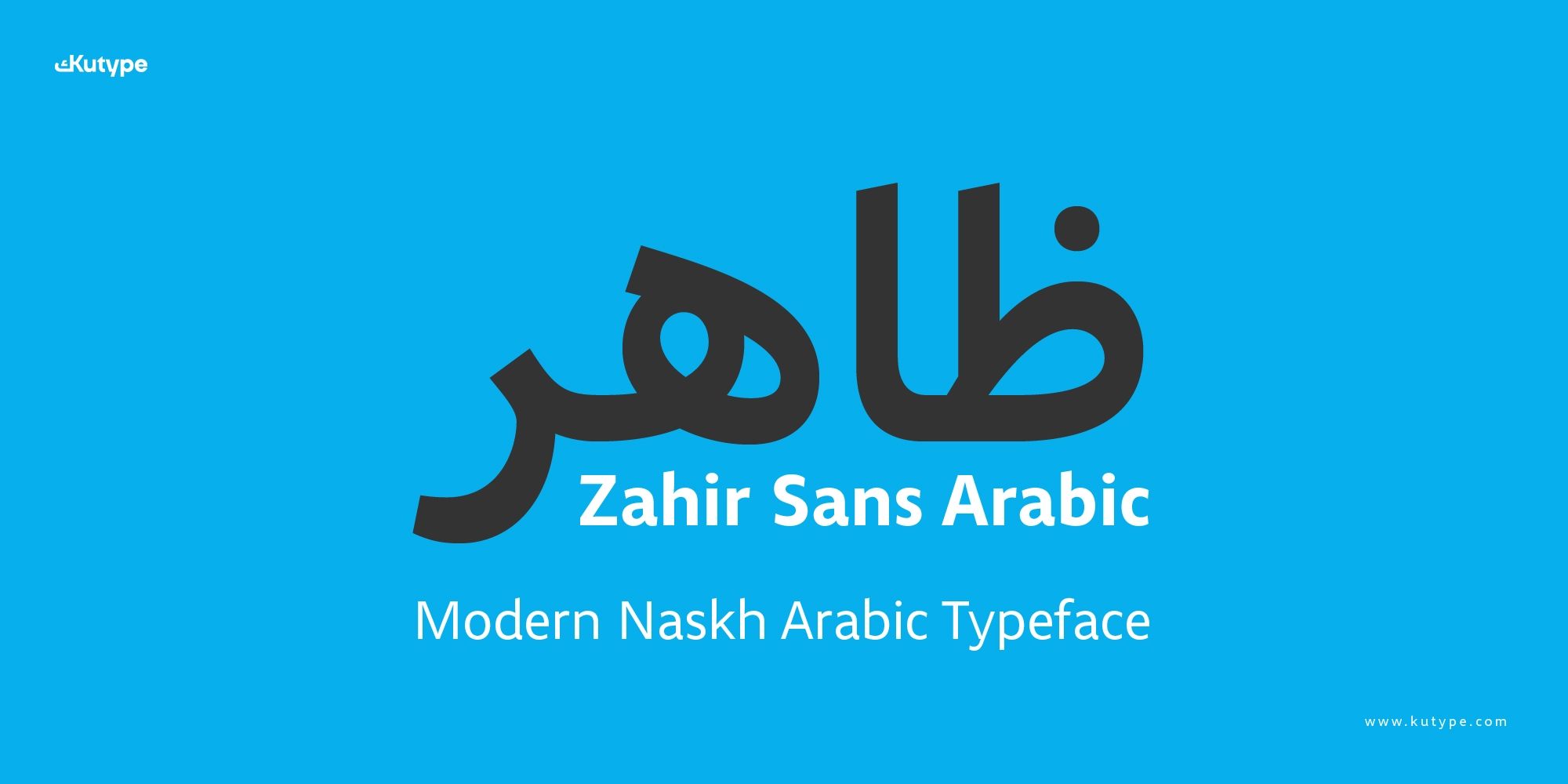
The name Zahir, ظاهر in Arabic, means what is visible, clear, and directly apparent. In the Sufi tradition, Zahir represents the outer, observable dimension of things: the surface that communicates before meaning is processed. For a typeface, that's a precise and demanding standard to set. Every letterform has to communicate at first glance, without ambiguity, and without the reader having to work.
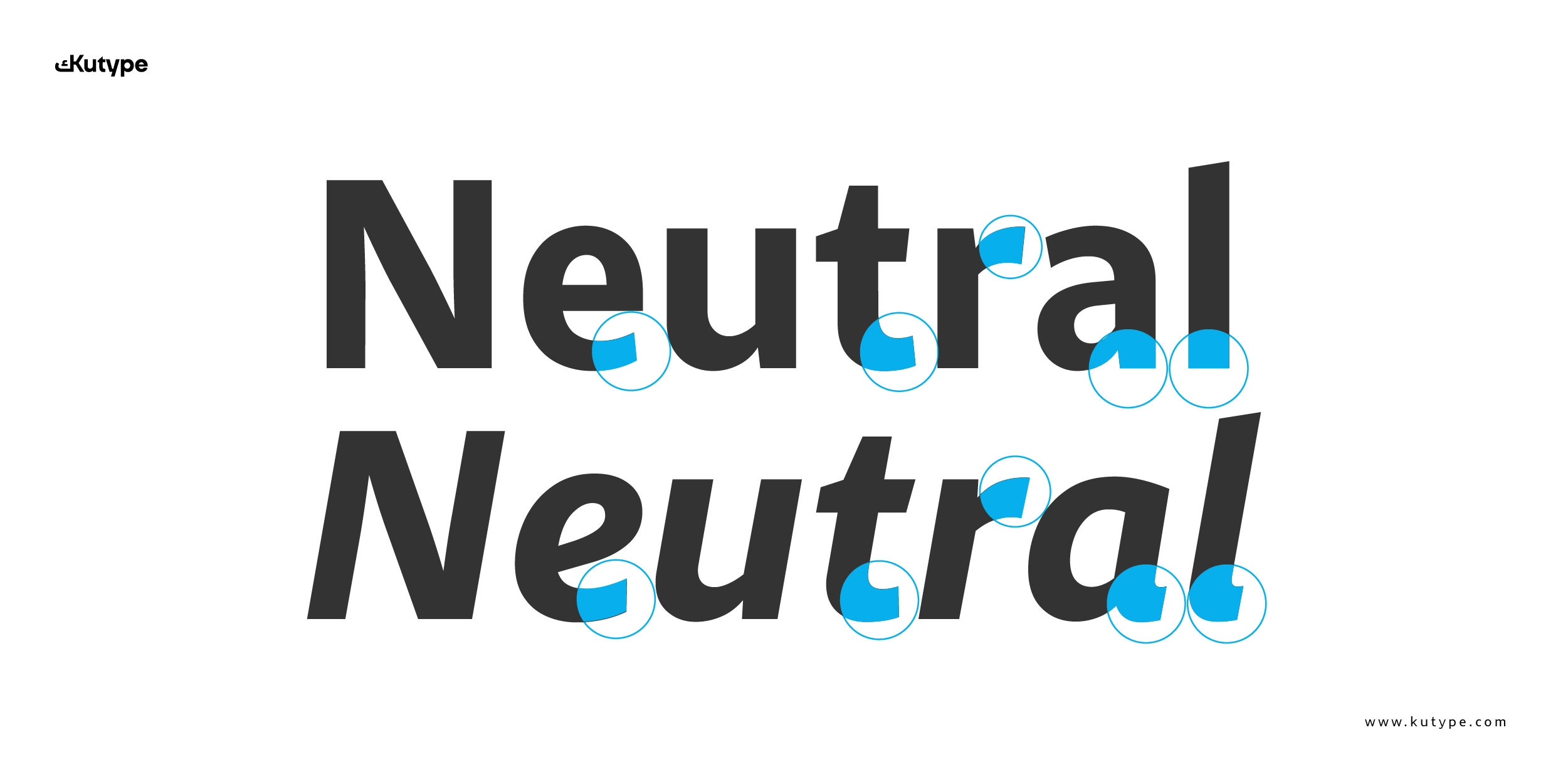
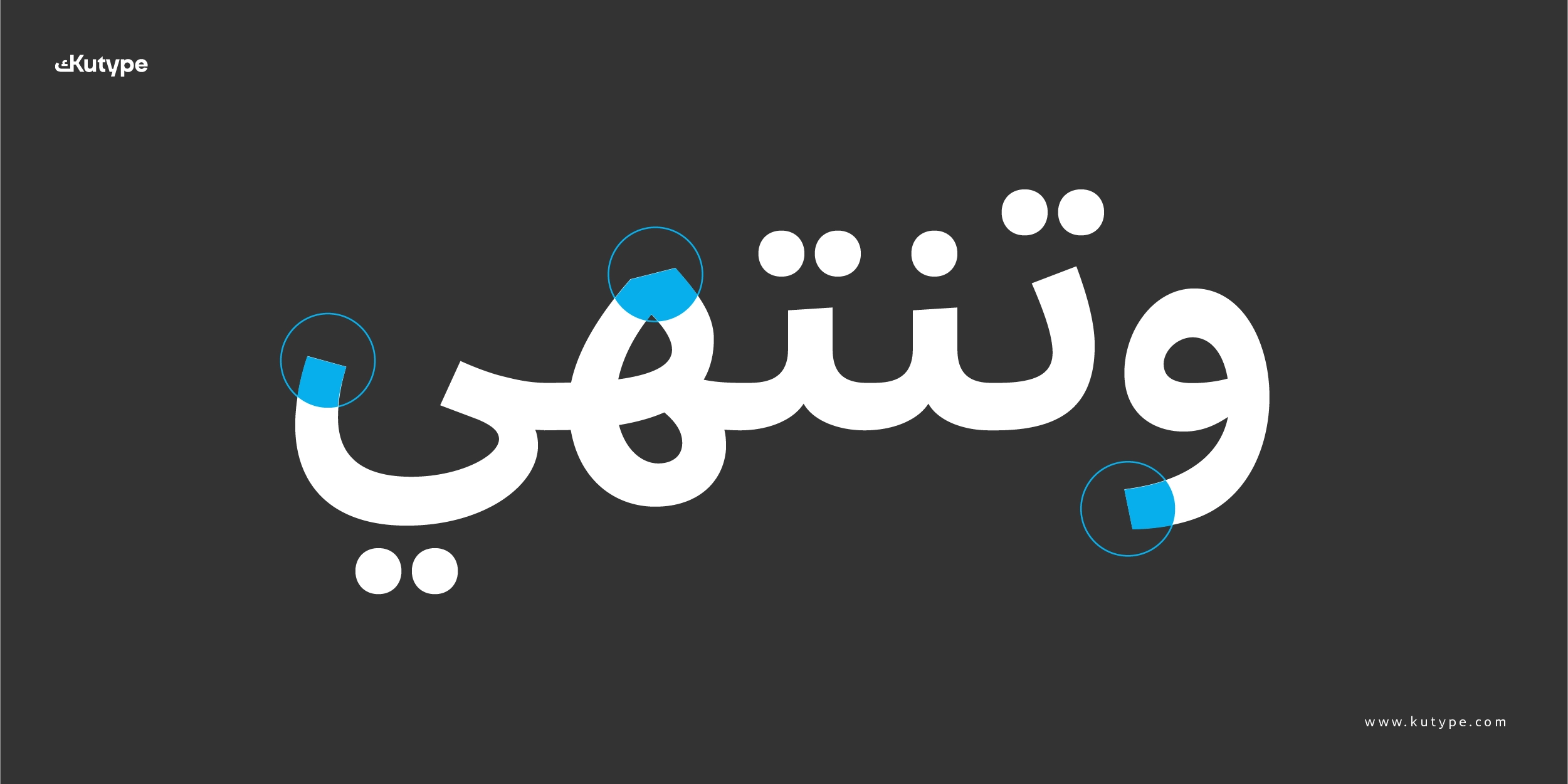
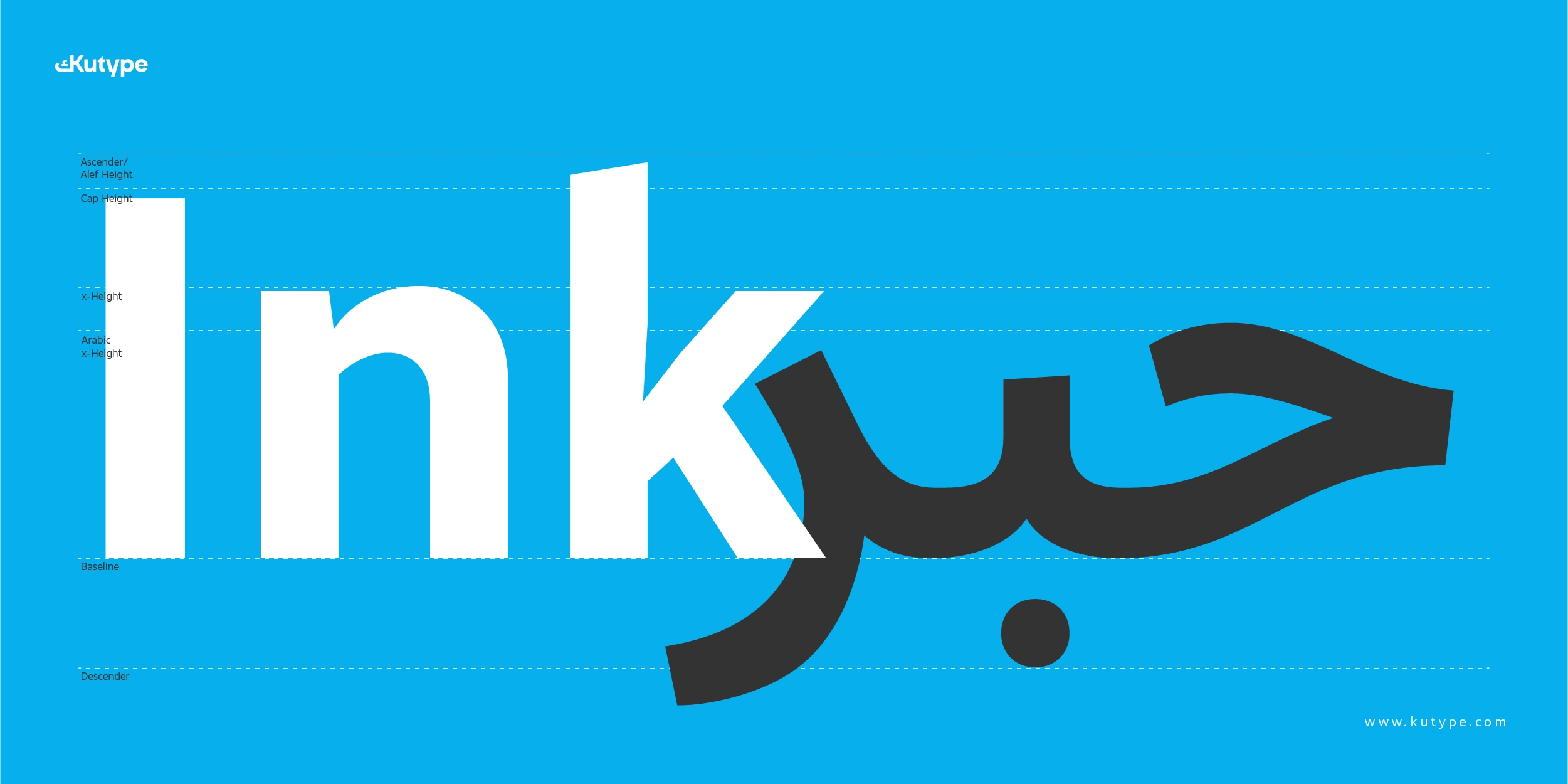
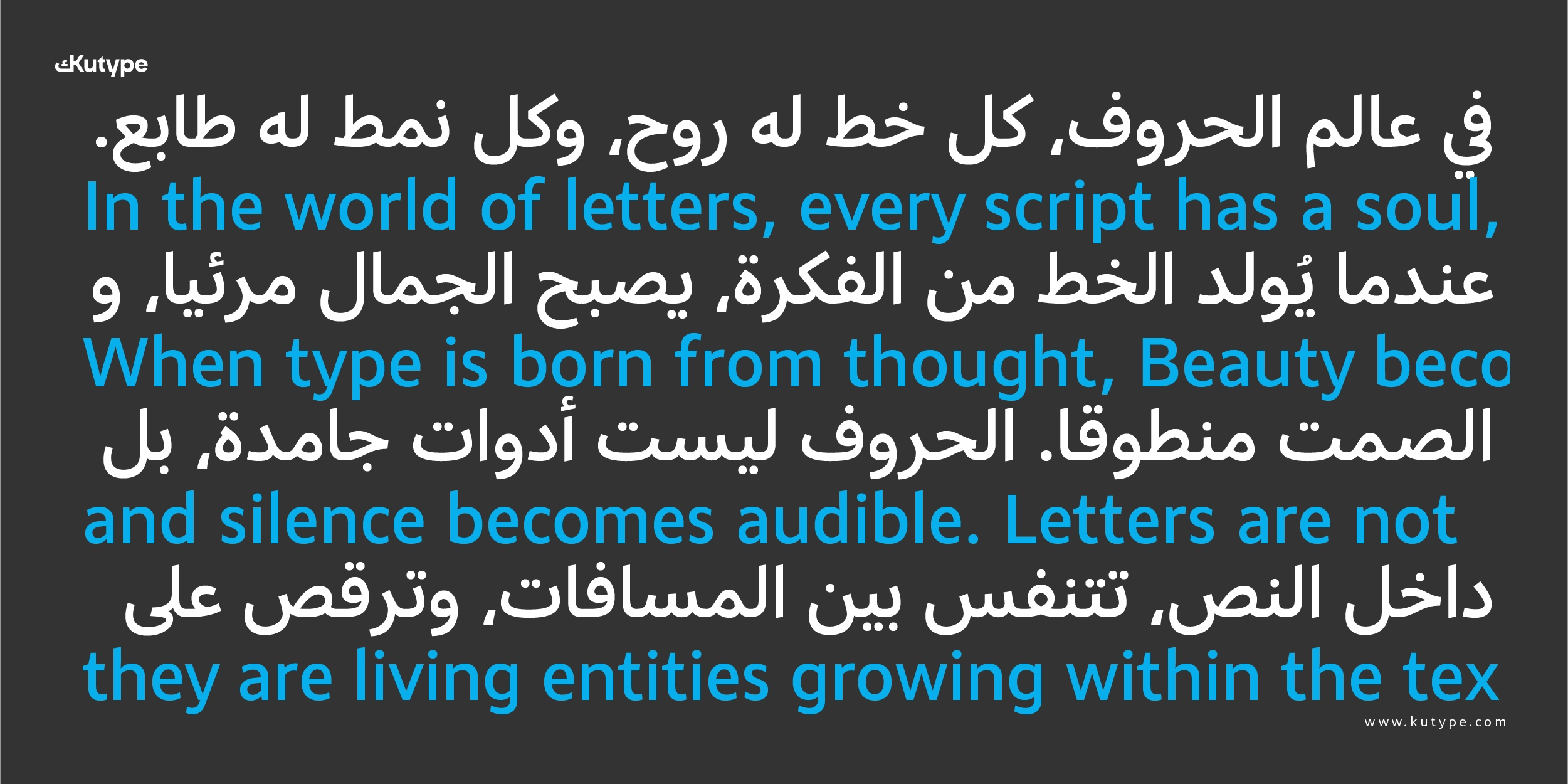
Zahir Sans Arabic was designed with Noto Sans Arabic as a key reference, one of the most rigorous and widely deployed Arabic typefaces in the digital world, known for its systematic legibility across scripts and sizes. Rather than treating the Arabic version as a secondary adaptation, Zahir Sans Arabic was developed to follow the curves and fluidity of Zahir Sans Latin, an active process of harmonization rather than mere translation. The goal was to ensure that a designer setting a bilingual layout would find both scripts sharing the same visual weight, rhythm, and personality without forcing either one into an unnatural compromise.
Need another option? Ramis Arabic offers a similar Humanist Sans Arabic character with its own unique personality.
Key Design Characteristics
Zahir Sans Arabic belongs to the modern Naskh tradition, the most widely used and legible style in Arabic typography. As Arab News' feature on Naskh calligraphy documents, Naskh's enduring relevance comes from its high legibility, subtle simplicity, and adaptability, qualities that have kept it the dominant script for Arabic publishing from manuscript culture through to the digital present. Zahir Sans Arabic adopts those foundational qualities and reinterprets them through a contemporary lens: cleaner terminals, more controlled proportions, and stroke contrast calibrated specifically for screen environments.
The result sits in a distinctive position, it carries the warmth and cultural authenticity of classical Naskh while performing with the consistency and clarity that modern interfaces demand. Low stroke contrast keeps the font visually even across the full weight range, and carefully managed proportions ensure that Arabic text remains comfortable at both small interface sizes and large editorial headlines. This is important, as Fontfabric's guide to humanist typefaces notes, humanist fonts are considered highly legible precisely because their letterforms, with open counters and generous spacing, closely resemble natural writing, which the eye processes more efficiently.
Weight Range & Styles
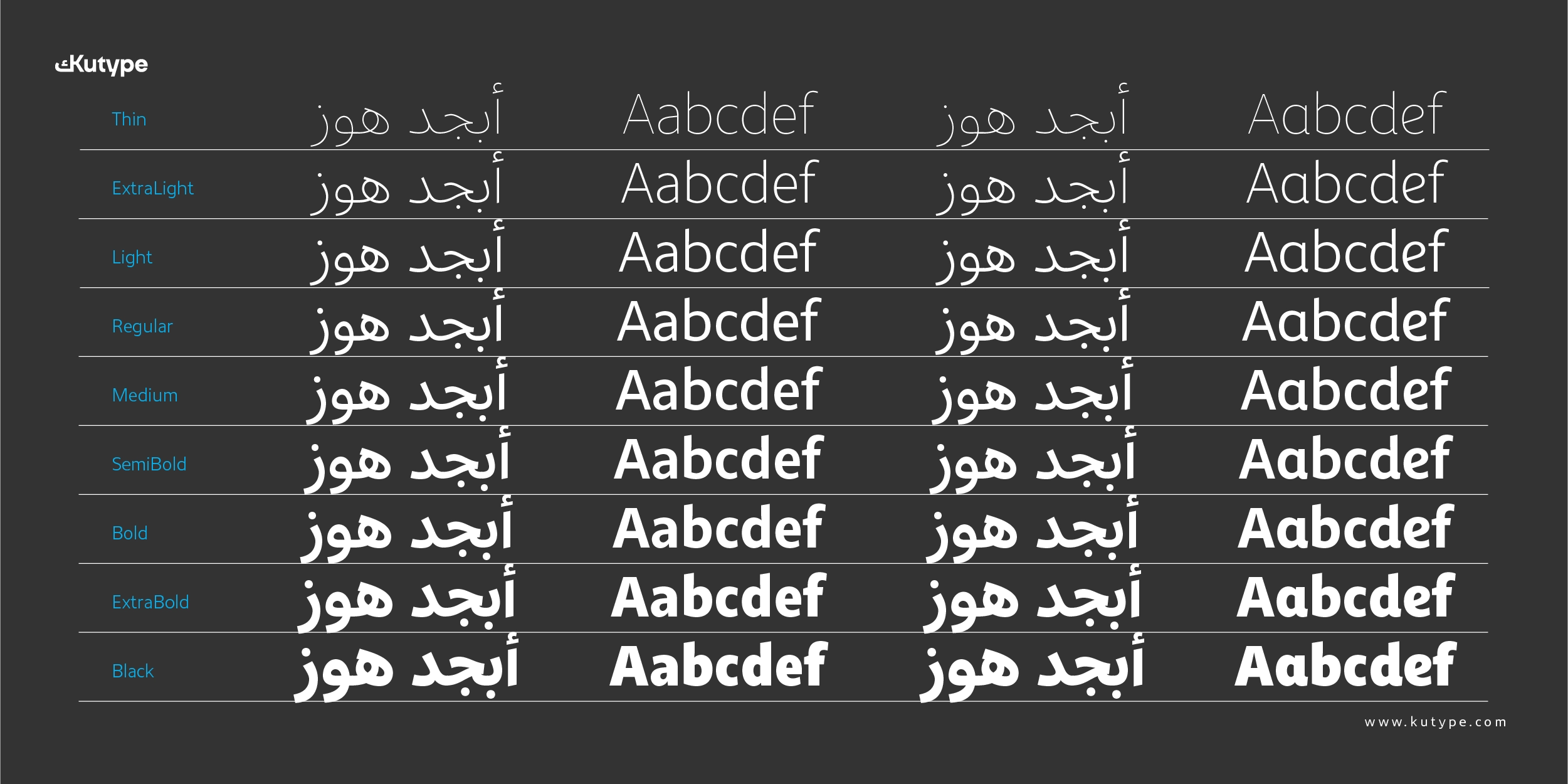
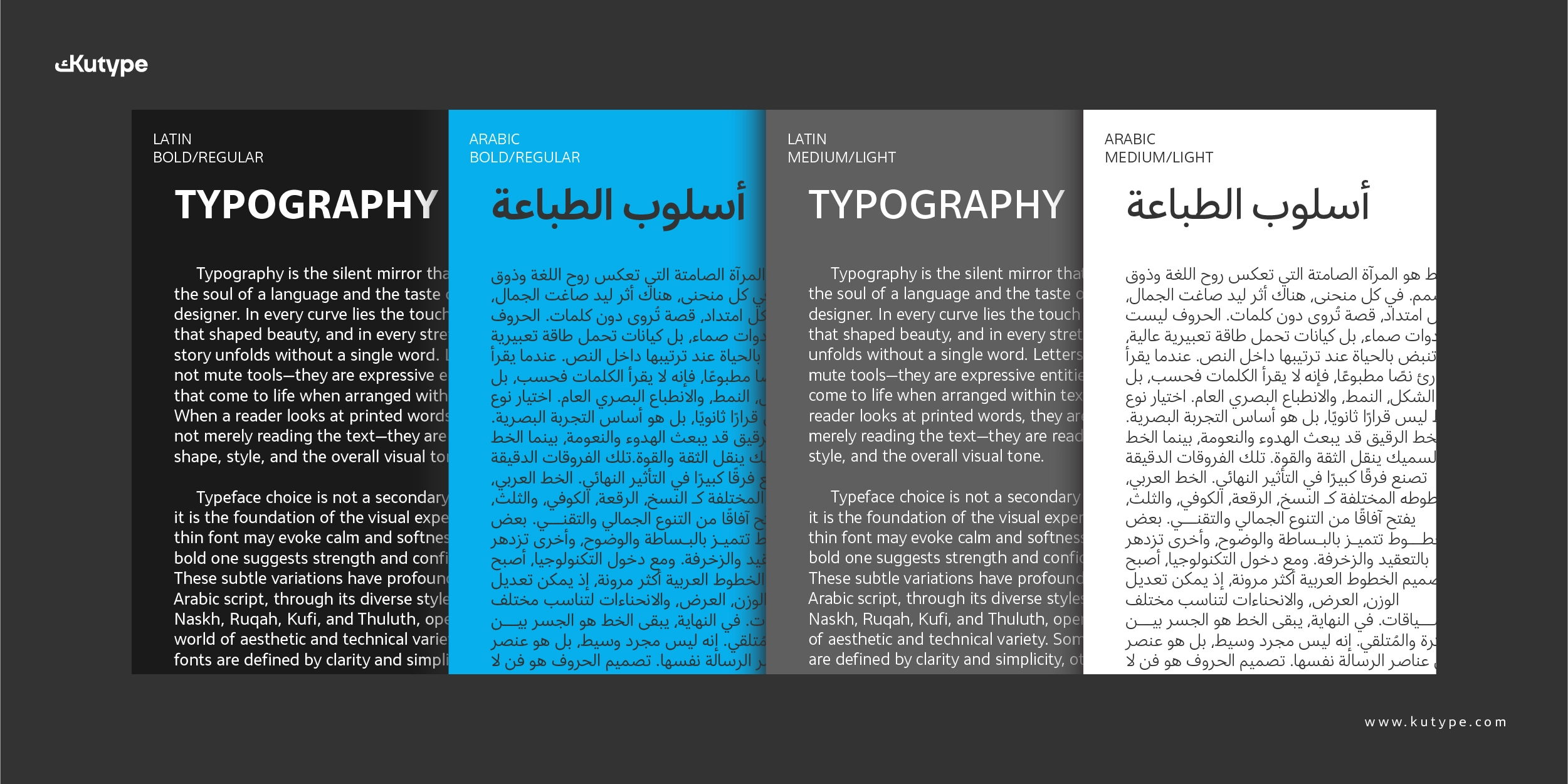
Zahir Sans Arabic Modern Naskh Arabic font shares the same 18-style system as its Latin counterpart, ranging from Thin to Black, making it one of the most weight-complete Arabic humanist typefaces available. This full range is not a luxury; it's a functional necessity for bilingual design systems where both scripts need to match in weight at every typographic level, from caption text to display headlines.
Features at a Glance
Zahir Sans Arabic Modern Naskh Arabic font carries the same core OpenType feature set as the Latin version, with additions appropriate for Arabic script:
- Ligatures (liga), standard Arabic letter connections for natural text flow
- Localized Forms (locl), correct glyph variants across Arabic, Persian, Urdu, and other supported languages
- Fractions & Ordinals (frac, ordn), clean typographic number formatting for editorial use
- Superscript & Subscript (sups, subs), support for annotated and technical content
- Case-Sensitive Forms (case), adjusted punctuation for specific typographic contexts
- Stylistic Set (ss01), alternate character designs for refined typographic expression
Ideal Use Cases
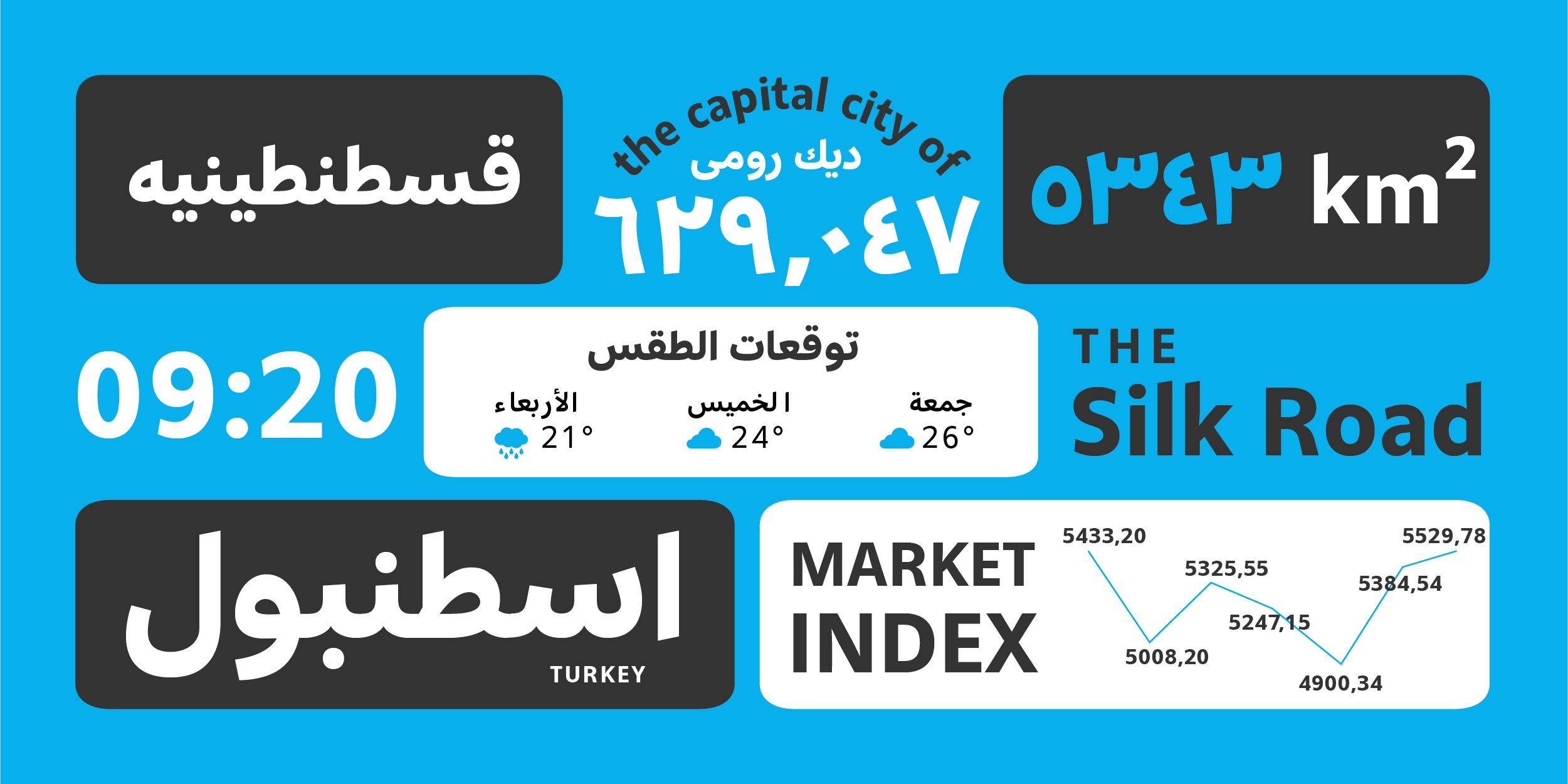
Zahir Sans Arabic's combination of modern Naskh warmth and humanist structural clarity makes it effective wherever Arabic typography needs to perform seriously, in sustained reading, complex interfaces, and demanding bilingual design systems.
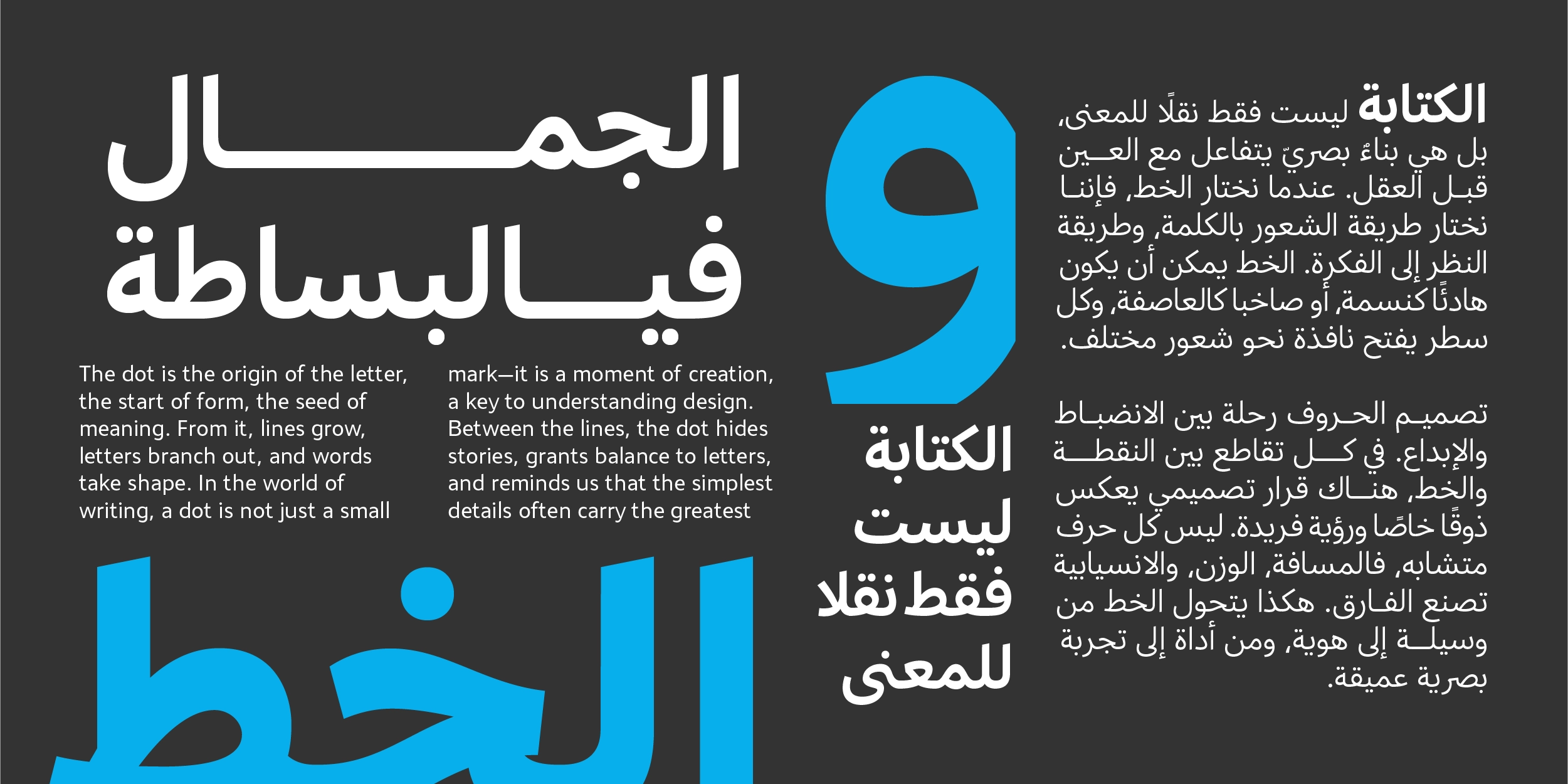
- Digital Publishing & Apps, its screen-optimized Naskh structure, low stroke contrast, and comprehensive weight range make Zahir Sans Arabic a strong choice for Arabic-language apps, news platforms, and digital publications where text must remain comfortable across devices and sizes. The research on humanist sans-serif legibility, explored in detail by UX Movement's analysis of typeface styles and reading speed, applies directly here: humanist forms are measurably faster and easier to process than their geometric equivalents, a difference that matters in interface contexts where users scan large volumes of text.
- Editorial & Corporate Design, for Arabic-language magazines, corporate reports, annual publications, and brand guidelines, Zahir Sans Arabic provides the neutral authority and consistent rhythm that sustained editorial work requires. Its Naskh roots give it cultural credibility; its modern proportions give it contemporary flexibility.
- Bilingual Brand Systems, paired with Zahir Sans Latin, it enables a fully unified typographic system where Arabic and Latin text share the same visual DNA across every weight. This is the most technically demanding requirement in Arabic type design, and Zahir Sans Arabic was built specifically to meet it.
- Journalistic Layouts, news websites, digital newspapers, and long-form journalism in Arabic benefit from the reading comfort that Naskh-based typography naturally provides, enhanced here by the careful weight calibration and consistent spacing of a purpose-built modern type system.
Create consistent multilingual branding by combining this font with Zahir Sans for the Latin script.
Conclusion
Zahir Sans Arabic Modern Naskh Arabic font earns its place in the Zahir family. It brings the clarity and warmth of the Latin version fully into Arabic script, through a modern Naskh approach that respects the language's typographic heritage while meeting every demand of contemporary screen and editorial use. The 18-weight system, humanist structure, and active design harmonization with the Latin companion make it one of the most complete and considered Arabic humanist typefaces available for bilingual design work.
For publishers, interface designers, and brand teams working across Arabic and Latin, Zahir Sans Arabic is the missing piece.
Font Name
Zahir Sans Arabic
Designer
Nur Syamsi, Bustanul Arifin
Version
Build 1.0 - 2025
Type Category
Sans Serif, Body Text, Display
Glyph Count
1365+
Year Published
August 2025
Supported Languages
Afrikaans, Albanian, Arabic, Asu, Basque, Bemba, Bena, Bosnian, Catalan, Cebuano, Chiga, Colognian, Cornish, Corsican, Croatian, Czech, Danish, Dutch, Embu, English, Estonian, Faroese, Filipino, Finnish, French, Friulian, Galician, Ganda, German, Gusii, Hungarian, Icelandic, Ido, Inari Sami, Indonesian, Interlingua, Irish, Italian, Javanese, Jju, Jola-Fonyi, Kabuverdianu, Kalaallisut, Kalenjin, Kamba, Kikuyu, Kinyarwanda, Kurdish, Kurdish, Sorani, Latvian, Lithuanian, Lojban, Low German, Lower Sorbian, Luo, Luxembourgish, Luyia, Machame, Makhuwa-Meetto, Makonde, Malagasy, Malay, Maltese, Manx, Māori, Mazanderani, Meru, Morisyen, Navajo, North Ndebele, Northern Sami, Northern Sotho, Norwegian Bokmål, Norwegian Nynorsk, Nyanja, Nyankole, Occitan, Oromo, Persian, Polish, Portuguese, Romanian, Romansh, Rombo, Rundi, Rwa, Samburu, Sango, Sangu, Sardinian, Scottish Gaelic, Sena, Shambala, Shona, Slovak, Slovenian, Soga, Somali, South Ndebele, Southern Sotho, Spanish, Sundanese, Swahili, Swati, Swedish, Swiss German, Taita, Taroko, Teso, Tsonga, Tswana, Turkish, Turkmen, Upper Sorbian, Urdu, Vunjo, Walloon, Walser, Welsh, Western Frisian, Wolof, Xhosa, Zulu
Zahir Sans Arabic
100px
Zahir Sans Arabic
100px
Zahir Sans Arabic
58px
Zahir Sans Arabic
64px
Zahir Sans Arabic
20px
Zahir Sans Arabic
20px
Buying Options
Total $0.00