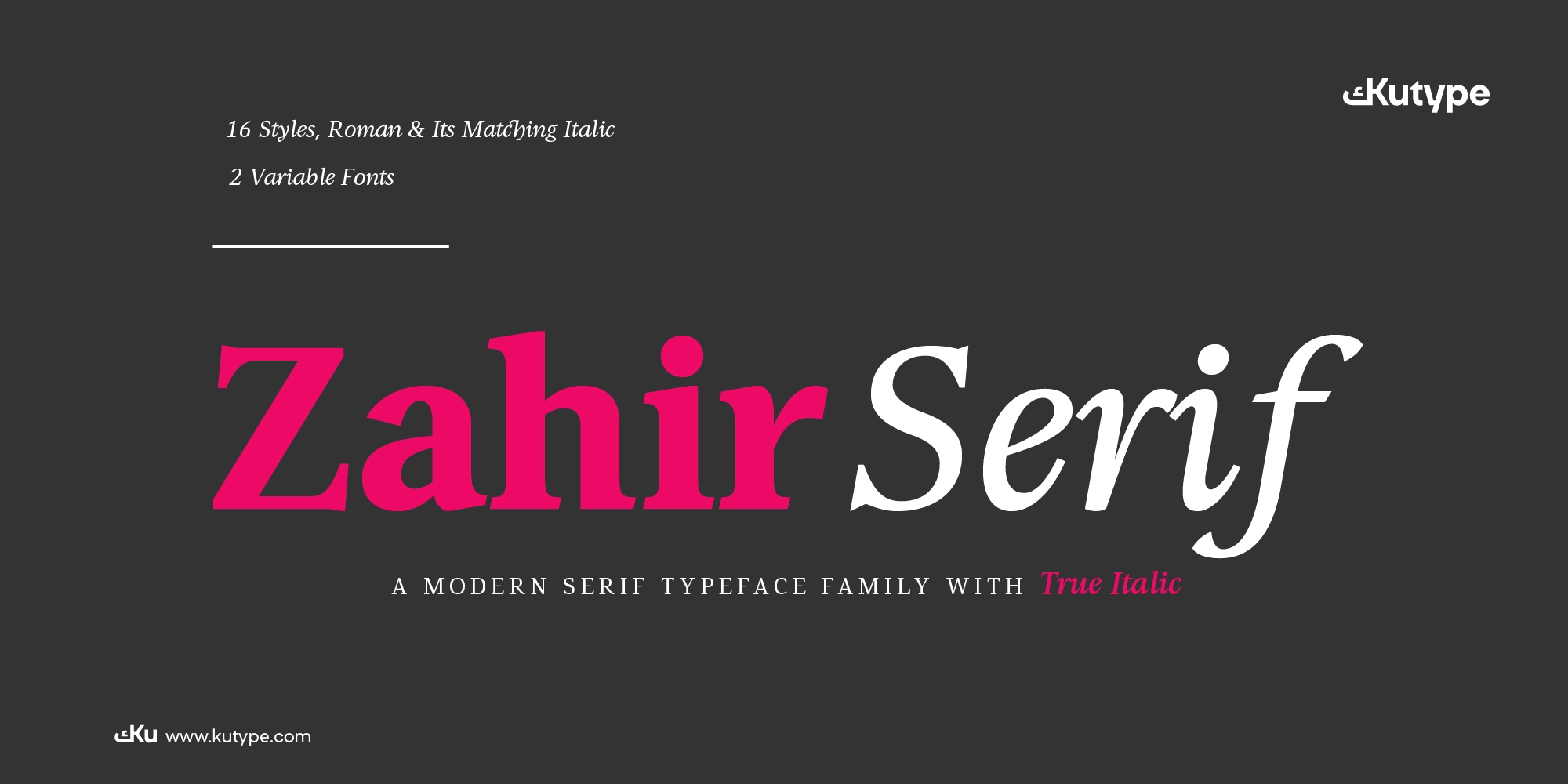
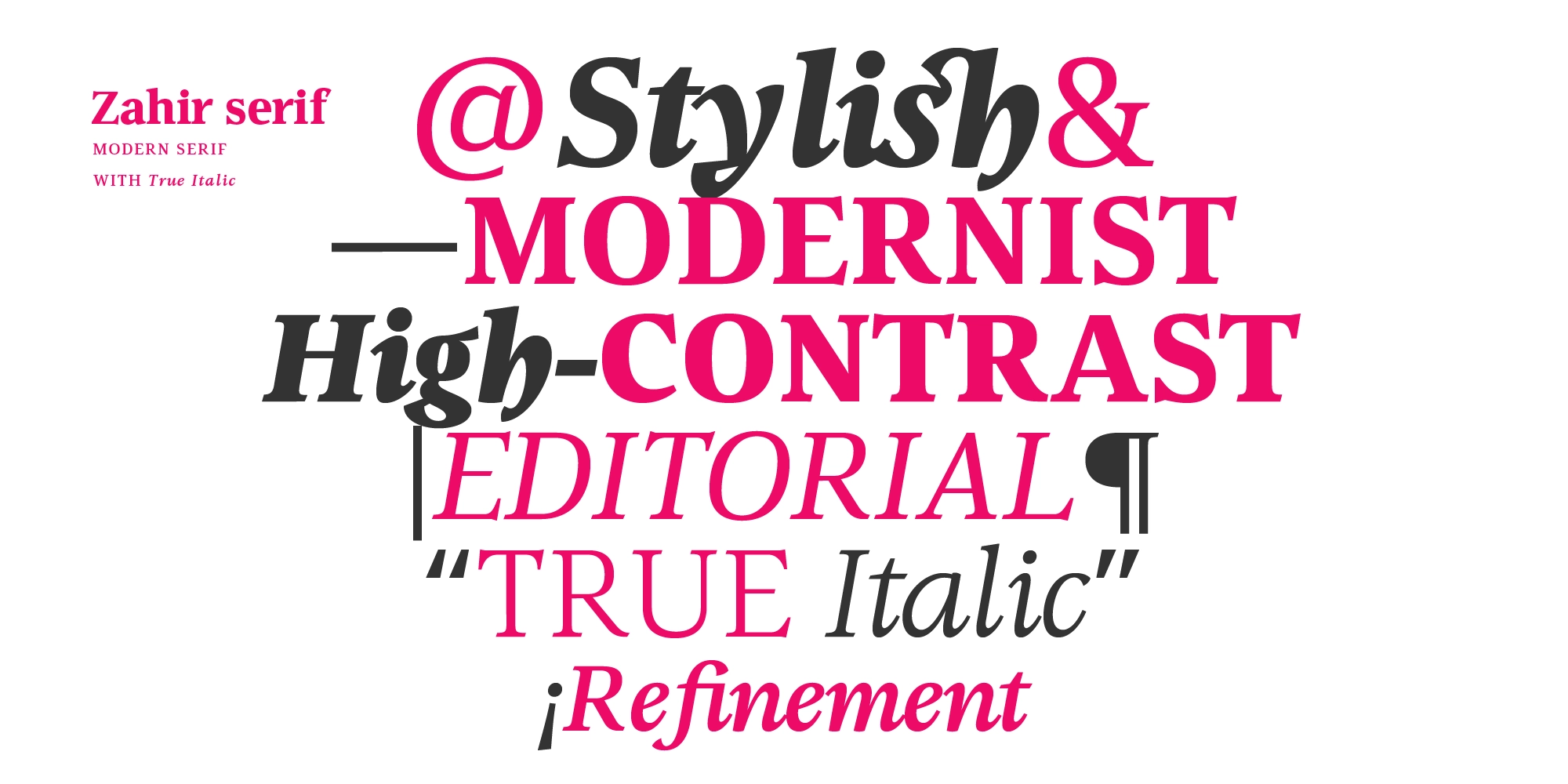
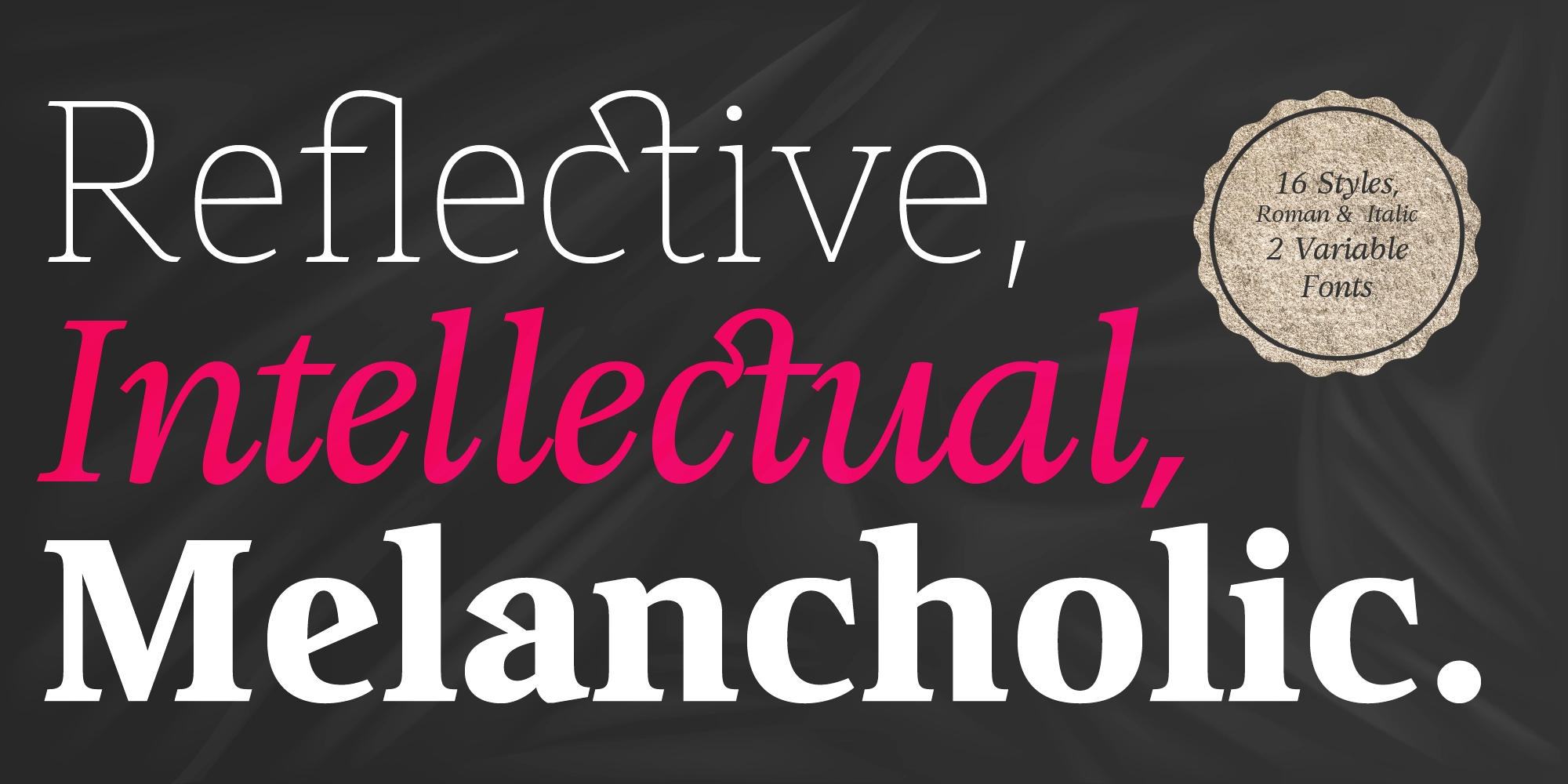
Zahir Serif
Roman VF
100px
Renaissance: The Awakening of Art and Intellect
Zahir Serif
Italic VF
100px
When Art, Science, and Humanism Flourished
Zahir Serif
SemiBold
57px
The Renaissance was a remarkable cultural movement that transformed Europe between the 14th and 17th centuries.
Zahir Serif
Medium Italic
57px
Originating in the city-states of Italy, it marked a profound shift from the medieval worldview toward a renewed interest in classical learning, human creativity, and intellectual exploration.
Zahir Serif
Regular
20px
The term “Renaissance” itself means “rebirth,” referring to the revival of art, philosophy, science, and literature inspired by the achievements of ancient Greece and Rome.
The Renaissance began in prosperous Italian cities such as Florence, Venice, and Rome. These cities benefited from active trade networks and wealthy merchant families who became patrons of the arts. One of the most influential families was the Medici of Florence, who supported artists, architects, and scholars. Their patronage allowed creative minds to experiment with new ideas and techniques that would reshape European culture.
A key intellectual movement of the Renaissance was humanism, a philosophy that emphasized the value, potential, and dignity of human beings. Humanist scholars studied classical texts from ancient Greece and Rome, focusing on literature, history, rhetoric, and moral philosophy. Rather than concentrating solely on religious doctrine, Renaissance thinkers explored the broader capacities of human knowledge and creativity.
Humanism encouraged education, critical thinking, and a deeper understanding of human nature. It influenced not only literature and philosophy but also politics, science, and the visual arts.
Zahir Serif
Light Italic
20px
The Renaissance produced some of the most celebrated works of art in history. Artists began to focus on realism, proportion, and perspective, creating images that appeared more lifelike and emotionally expressive. They studied anatomy, light, and geometry to portray the human body and natural environment with remarkable accuracy.
Masters such as Leonardo da Vinci, Michelangelo, and Raphael revolutionized painting and sculpture. Leonardo’s works demonstrate a unique combination of artistic mastery and scientific curiosity, while Michelangelo’s sculptures and frescoes reflect extraordinary power and detail. Raphael became known for his balanced compositions and graceful figures, representing the harmony and ideals of Renaissance aesthetics.
Architecture also evolved during this period. Architects looked to classical Roman structures for inspiration, emphasizing symmetry, columns, domes, and mathematical harmony. Buildings from the Renaissance reflect a sense of order, proportion, and elegance.
The Renaissance was not limited to art and literature; it also fostered scientific curiosity and discovery. Scholars began questioning traditional beliefs and exploring the natural world through observation and experimentation. This intellectual environment eventually contributed to the Scientific Revolution.
Printing technology also played a crucial role in spreading Renaissance ideas. The invention of the printing press allowed books and manuscripts to circulate widely, making knowledge more accessible than ever before.
Buying Options
Bundle
Individual
License
Price
Total $0.00